
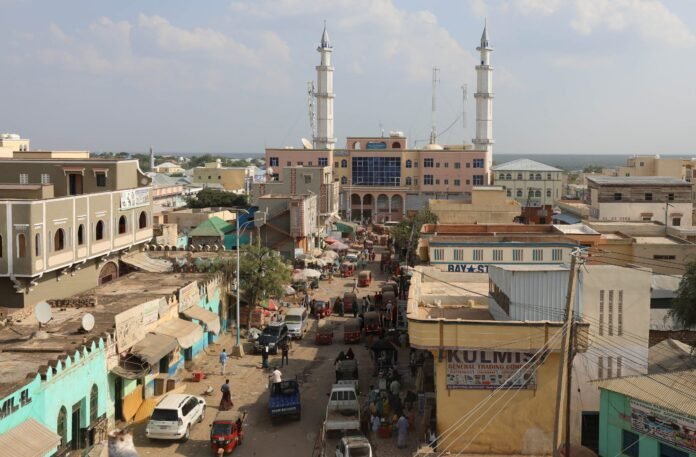
BAIDOA, 01 January 2026 – For two full days, the streets of Baidoa have been swallowed by an eerie silence. There was no warning, no explanation—just a sudden snap, and then the lights went out.
Across the city, the effects of the blackout are impossible to ignore. Shops remain shuttered, clinics sit dark, and households struggle to carry on without power. Daily life has come to a standstill, leaving residents caught in a crisis that feels as much political as it does electrical.
A City Held Captive by a Single Switch
At the heart of the frustration is one name: BECO. As the sole electricity provider in Baidoa, BECO operates without competition. Regulations prevent any other company from entering the market, leaving residents with nowhere else to turn.
“We are at their mercy,” says a local business owner. “When the power goes, our livelihoods go with it. There is no one to call, no alternative to switch to.”
The monopoly has fostered a vacuum of accountability. Residents describe a familiar pattern:
Frequent, unannounced blackouts that disrupt daily life.
Total communication breakdown during major outages.
Pricing that feels disconnected from the quality of service provided.
The Human Cost
This blackout is more than an inconvenience. In Baidoa’s health facilities, medical staff scramble to keep life-saving equipment running. For small businesses—the backbone of the local economy—two days without electricity means losses that many cannot recover.
Longstanding complaints have now turned into a unified call for change. Community leaders insist that Baidoa has outgrown the “one-company” model.
A Call for Competition
Many residents believe the answer is straightforward: open the market. Multiple providers would create healthy competition, improve service standards, and ensure more transparent customer care. Reliable electricity would shift from being a fragile privilege to a dependable public service.
As the second night of darkness settles over Baidoa, the message to authorities is clear. Residents are no longer just asking for the lights to return—they are demanding a fair, accountable system that ensures the city is never left powerless again.

