
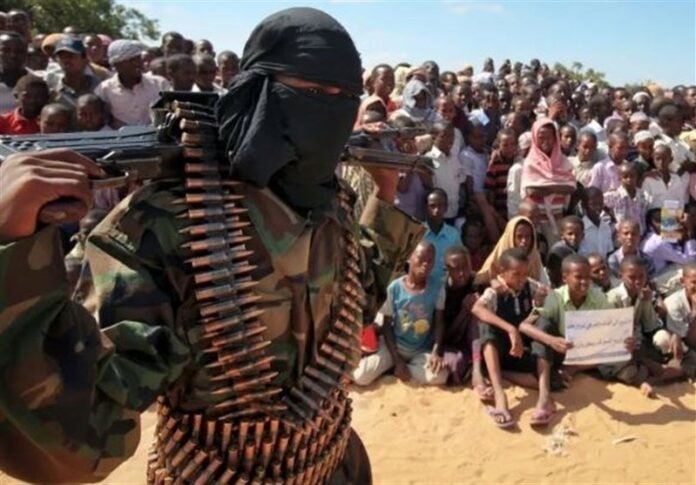
MOGADISHU, 02 January 2026 – Somali intelligence officials said Thursday that a precision airstrike last month dealt a significant blow to Al-Shabaab, killing two of the group’s most senior commanders, including its chief explosives expert who had long evaded capture despite a multi-million-dollar U.S. bounty.
The operation was carried out on December 10 in Jilib, a known Al-Shabaab stronghold in the Middle Juba region. The National Intelligence and Security Agency (NISA) said the strike was conducted in coordination with international partners.
Key Targets Eliminated
The primary target, Abdullahi Osman Mohamed, widely known as Engineer Ismail, was among the most influential figures within the militant group. He headed Al-Shabaab’s explosives unit and was regarded as the architect of the improvised explosive devices that have fueled the group’s deadliest attacks.
Beyond his technical role, Ismail oversaw the elite Amniyat intelligence wing and managed Al-Kataaib, the group’s powerful propaganda apparatus responsible for recruitment and messaging.
The United States had placed a $5 million reward on Ismail. Somali authorities link him to several high-profile attacks, including the October 14 bombing in Mogadishu, one of the deadliest terrorist incidents in the country’s history.
Also killed in the strike was Abdikarim Mohamed Hersi, known as Qoorleex. NISA described him as a senior coordinator responsible for propaganda activities and operational oversight across the Juba regions.
Strategic Impact
Al-Shabaab has waged a violent insurgency against Somalia’s internationally backed government for more than 15 years. While the group has shown resilience, security analysts say the loss of a figure like Engineer Ismail creates a serious operational gap.
High-level bomb makers are difficult to replace, and Ismail’s deep involvement in intelligence and internal security is expected to disrupt both operational planning and information control. The removal of key propaganda leadership may also weaken the group’s ability to coordinate messaging and recruitment efforts.
NISA said the operation was carefully planned and successfully neutralized a persistent threat to civilians. Although Al-Shabaab continues to carry out attacks, officials described the strike as a major step forward in degrading the group’s technical, intelligence, and media capabilities.

